[ Short Films ] Churches in North Korea
Research · VO Script · Directing · 2D/3D Production · Editing · Casting
- Blender, Adobe Creative Suite
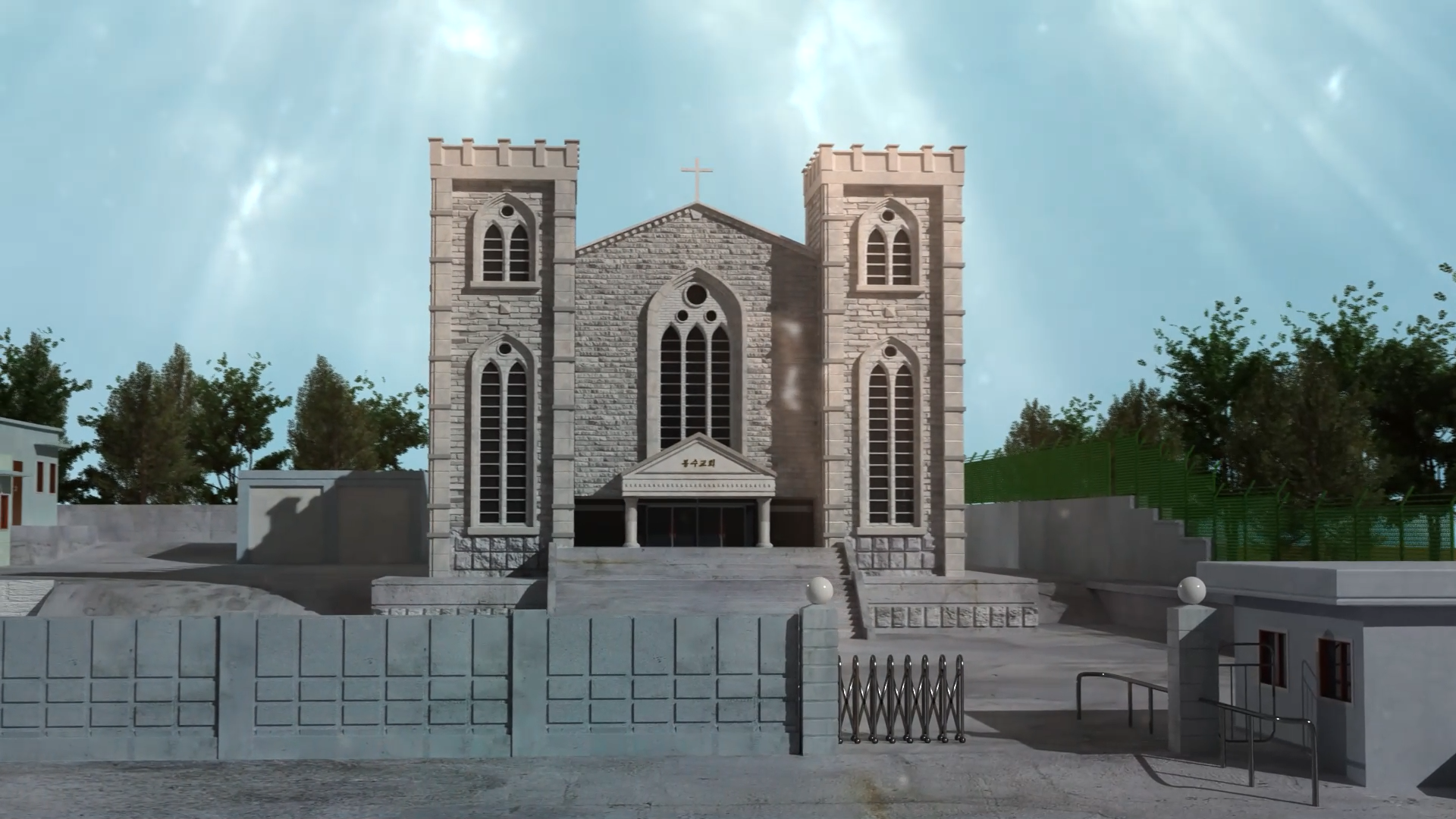
EP1: Bongsu Church
People Like Stars
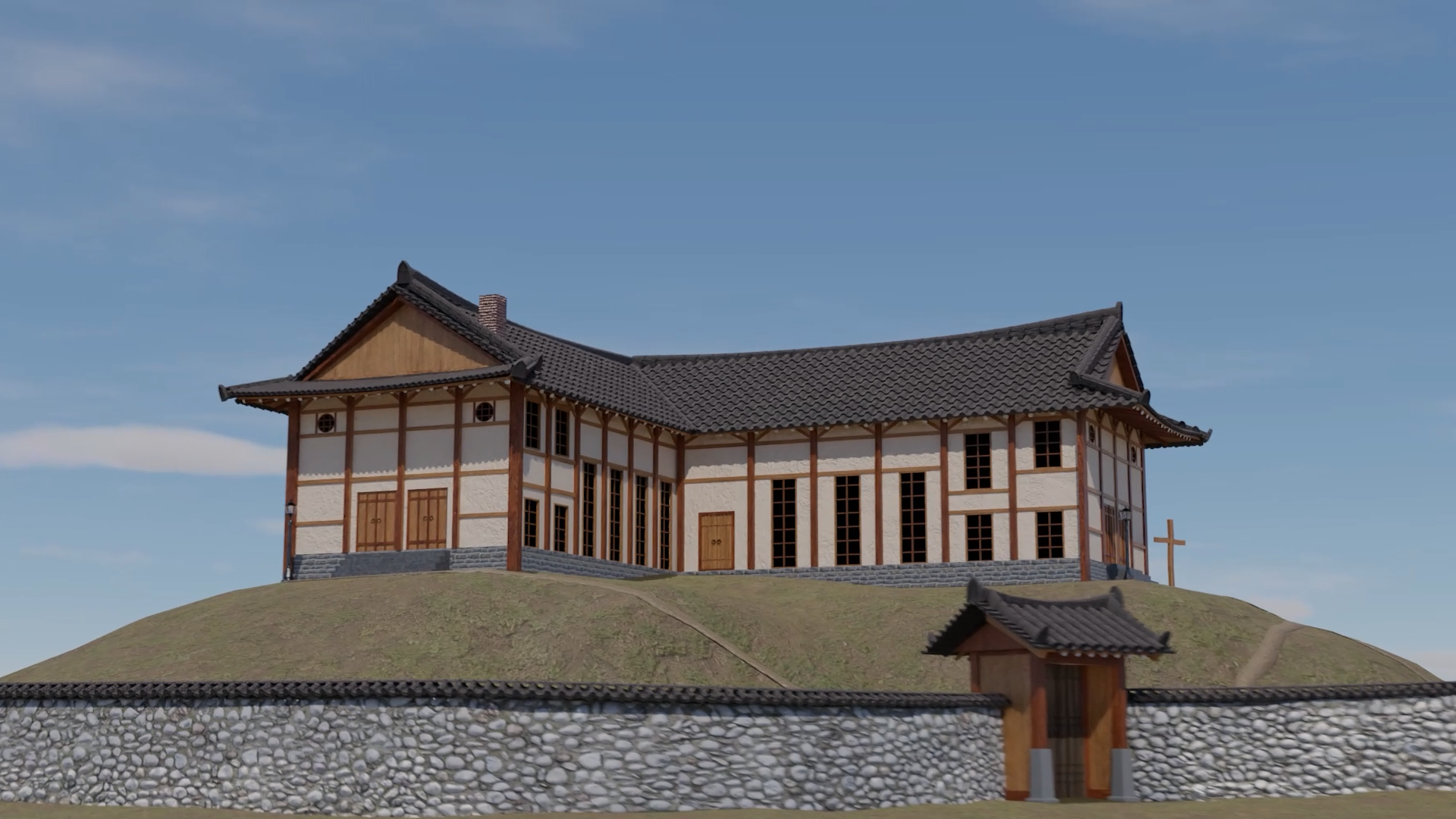
EP2: Jangdaehyun Church
불꽃의 사람들/ Korean
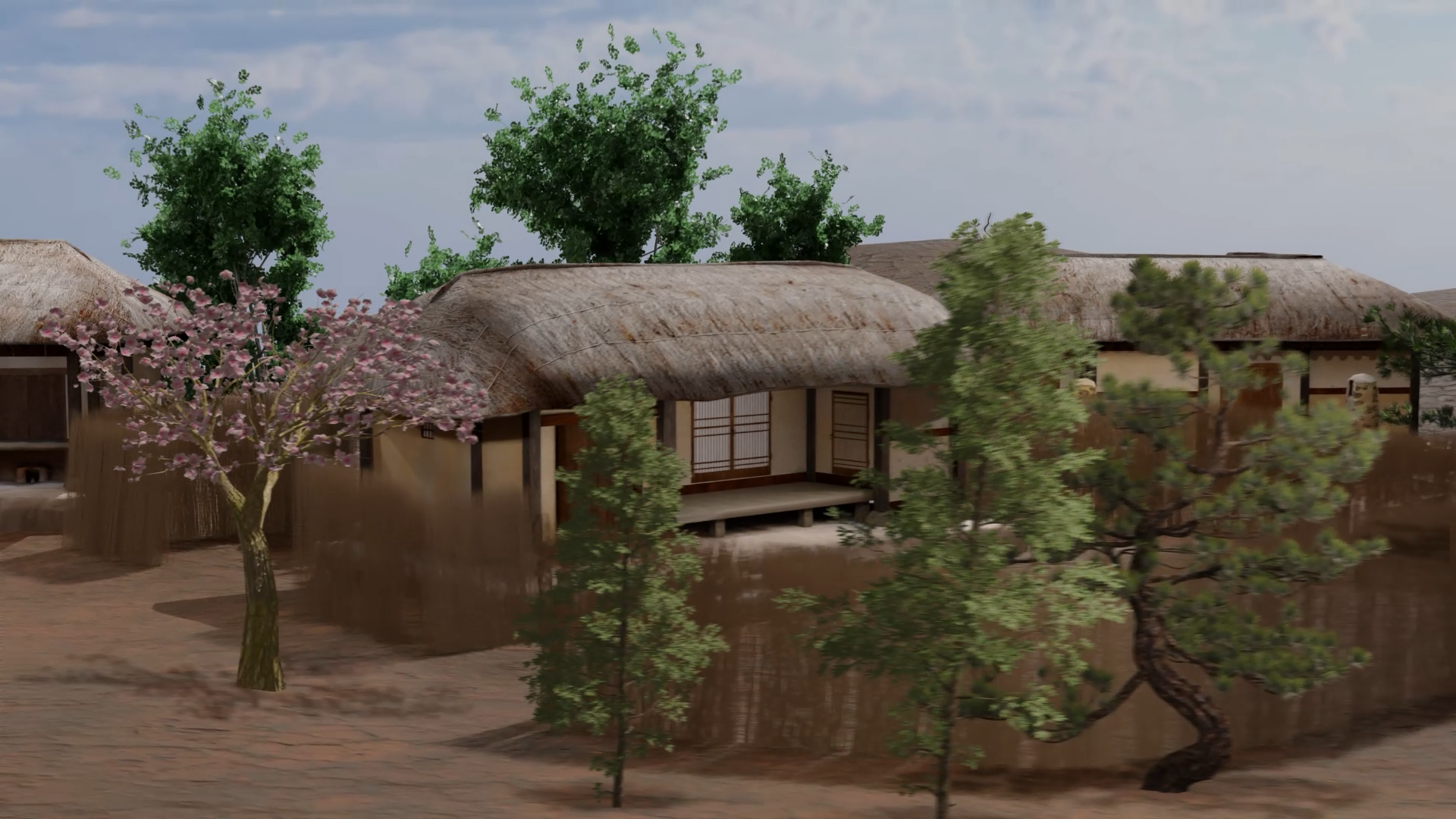
EP3: Sorae Church
The First Love

EP4: Underground Church
The Bride of Glory
[ Short Films] Believers in North Korea
Compositing · VFX · Editing · Casting
- Blender, Adobe Creative Suite
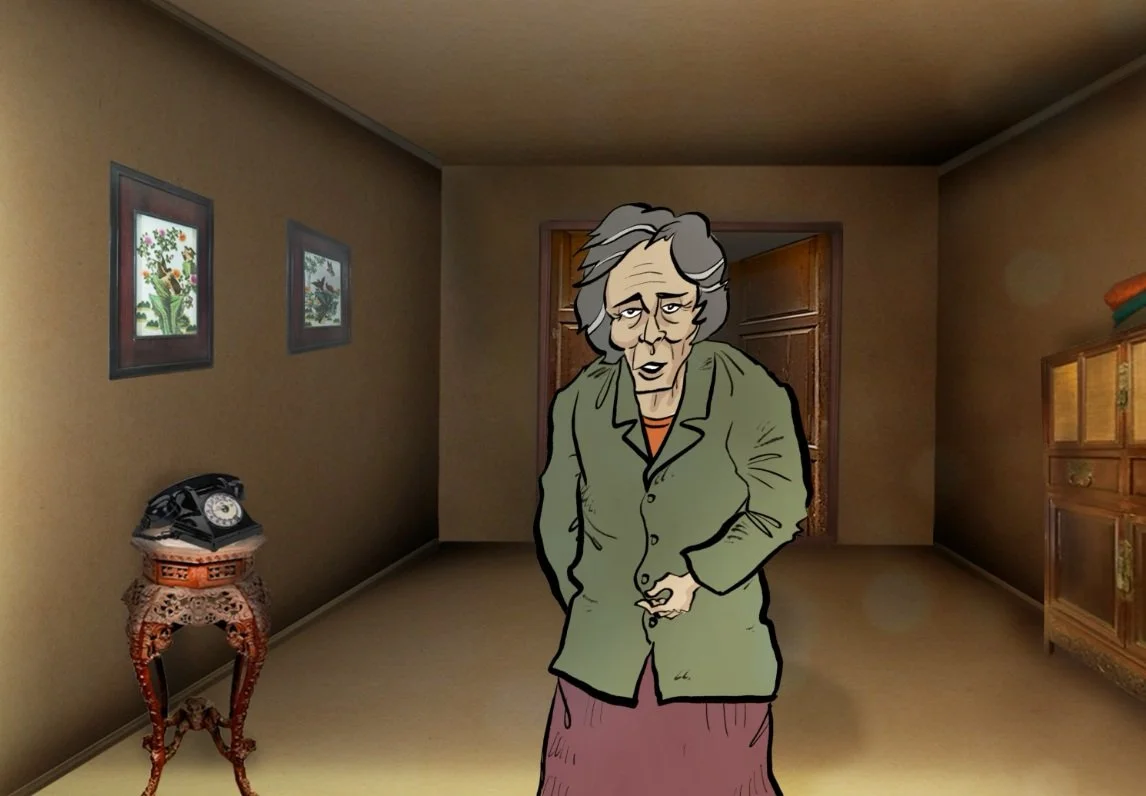
True story of Keumhwa
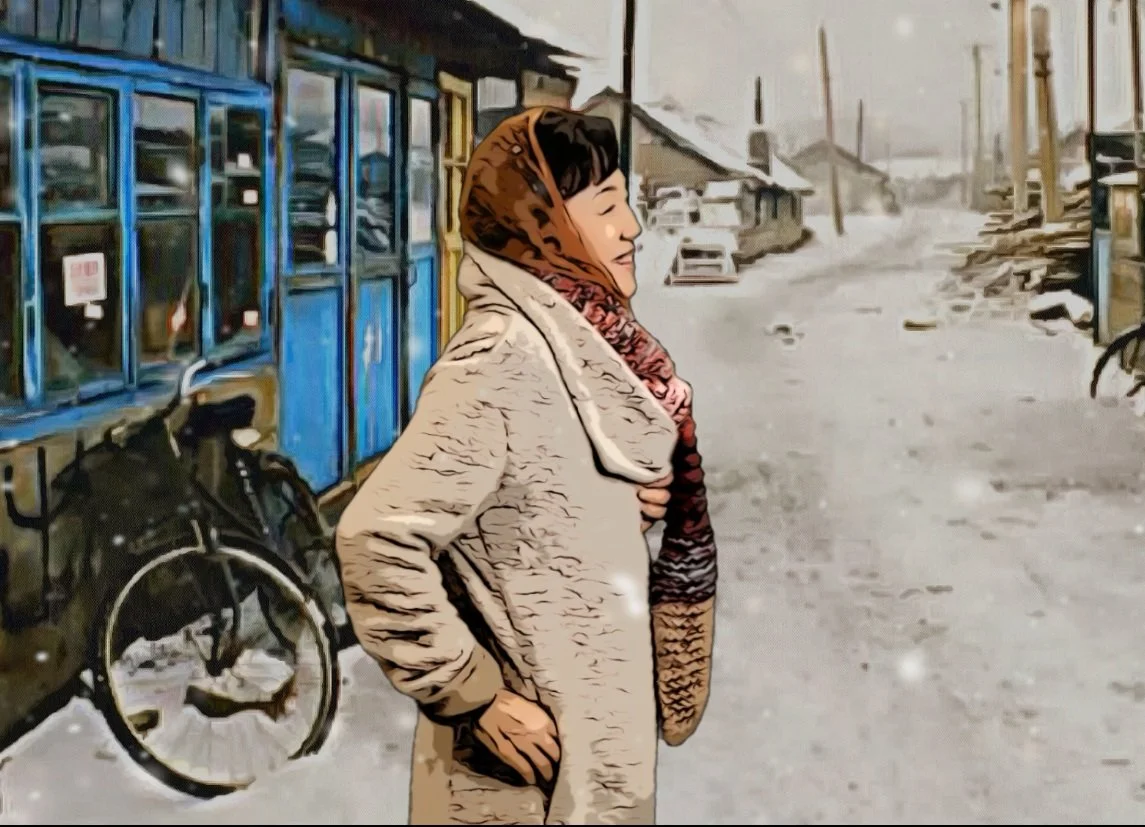
Life of Calling
True story of Sooni
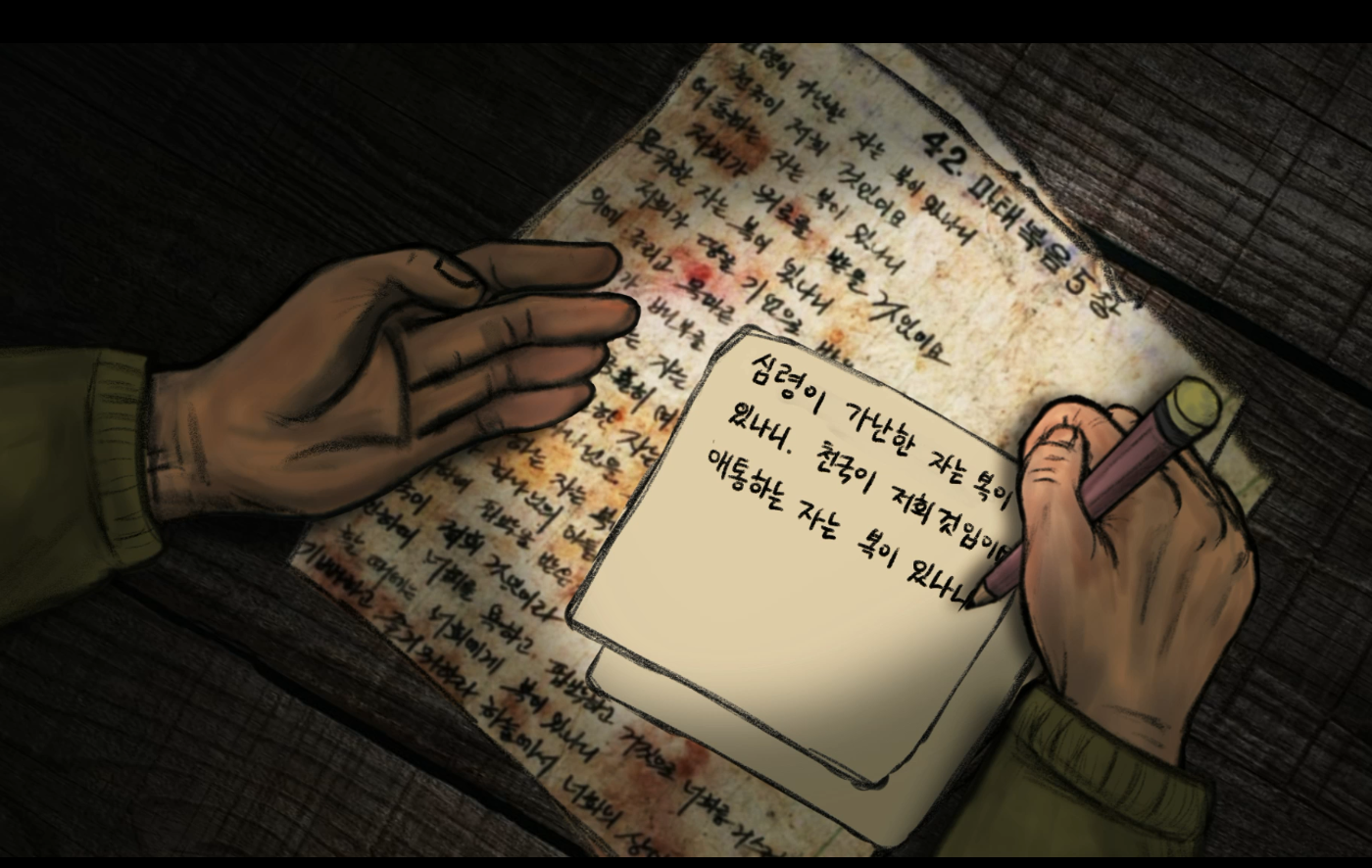
A Book Like a Jewel
True story of a family in labor camp
내가 위로하리라/ Korean
[ Behind Stories ]
Background Stories of Each Church
Bongsu Church

North Korea was once home to thousands of churches, but today only a small number of state-sanctioned religious institutions remain. Bongsu Church, built in Pyongyang under Kim Il-sung's regime, has long been viewed by many outside North Korea as a showcase intended to present an image of religious freedom.
Yet this story is also one of hope. I believe that even a place created for political purposes can one day become a place of genuine worship. This film reflects that hope—that truth and faith will ultimately find their way to the people of North Korea.
Sorae Church

Founded in 1883, Sorae Church holds a remarkable place in the history of Christianity in Korea. Before foreign missionaries had formally entered Joseon, the Christian faith had already begun to take root through Koreans who encountered the Gospel beyond the country's borders.
What makes Sorae Church especially meaningful is that it grew from within the Korean community itself. Its story is one of faith crossing borders, ordinary people carrying a message home, and a small community becoming part of a much larger history.
Underground Churches
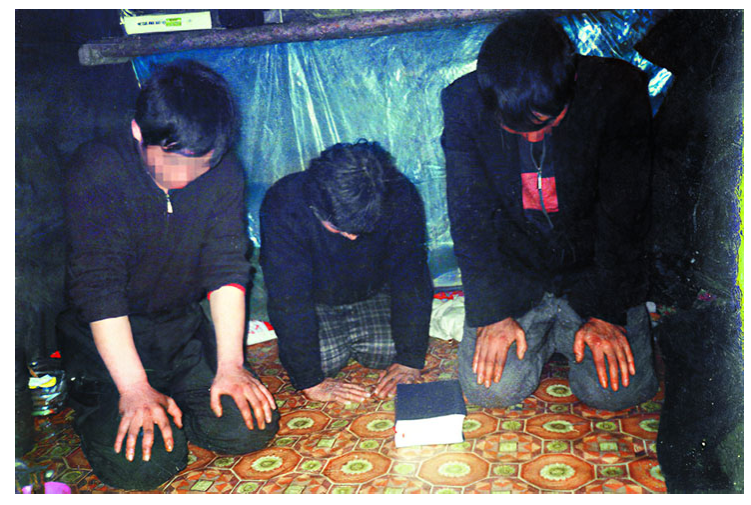
As North Korea's communist system took hold, Christians faced increasing surveillance, persecution, imprisonment, and exile. Many were forced to practice their faith in secrecy, gathering quietly and passing their beliefs from one generation to the next.
Despite decades of repression, accounts of underground believers continue to emerge. Some North Korean defectors have also embraced Christianity after leaving the country, and a small number have chosen to return, carrying their faith back with them. Their stories reveal a faith that has survived largely unseen.
ARTIST'S VISION
Why I Tell Stories
I came to the United States from South Korea with a dream of working in Hollywood and creating extraordinary visual experiences. After completing my graduate studies in computer arts, I had the opportunity to work in the film and visual effects industry. But my journey in America also led me somewhere I had never expected.
As my Christian faith became more central to my life, I began to dream of using my work not only to create compelling images, but also to tell stories that reveal God's work and bring hope to others. That calling eventually led me to a nonprofit ministry serving North Korea—an area completely unfamiliar to me at the time.
The transition changed me as an artist. In Hollywood, I had worked as one specialist among many. In ministry, I found myself taking on nearly the entire creative process—from research, concept development, and scriptwriting to directing, 2D/3D production, animation, compositing, and editing. I even taught myself Blender to create the CG environments these stories required. This was before today's AI-assisted production tools, so much of the work was built piece by piece, by hand.
The Churches of North Korea series became one of the most demanding and meaningful creative experiences of my life. Created primarily for large conferences held twice a year, these films were designed to help audiences see and remember the believers of North Korea—and to inspire prayer, compassion, and continued commitment.
I think of these films as small lights. If a story can move someone to care, hope, or take meaningful action—and if that light can pass from one person to another—then the story has served its purpose.
My faith continues to shape the way I approach my work, but the stories I tell are not limited to faith-based projects. Whether I am telling the story of a person, an organization, a brand, or a cause, my role is to understand what matters to them and translate it into a visual experience that connects with people.
As a visual storyteller, I hope to create work that illuminates rather than darkens, gives hope rather than despair, and leaves something meaningful behind.
I look forward to the stories yet to be told.
